RFID for Events: Benefits, Use Cases & Implementation
July 20, 2024 in Blog
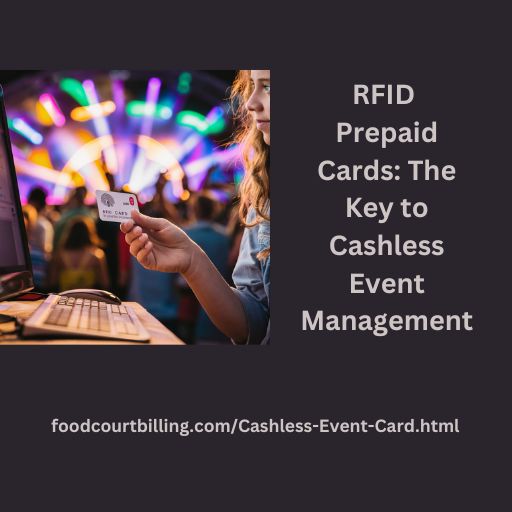
This comprehensive guide covers everything you need to know about RFID prepaid cards for cashless event management.
The event industry is constantly evolving, with technology playing an increasingly crucial role in shaping the attendee experience. One of the most significant advancements in recent years has been the rise of cashless events, driven by the increasing popularity of RFID prepaid cards. This innovative technology offers a seamless and secure alternative to traditional cash-based transactions, providing numerous benefits for both event organizers and attendees.
In the past, event attendees often faced long queues at cash registers, fumbled with cash and coins, and worried about the security of their wallets. However, with the advent of RFID prepaid cards, these concerns are becoming a thing of the past. This blog post delves into the world of RFID prepaid cards, exploring their functionality, benefits, and implementation, while highlighting why they are truly the key to unlocking a smoother, more efficient, and more enjoyable event experience.
What are RFID Prepaid Cards and How Do They Work?
RFID, which stands for Radio-Frequency Identification, is a technology that uses electromagnetic fields to automatically identify and track tags attached to objects. In the context of prepaid cards, these tags are embedded within the card itself, allowing for contactless communication with RFID readers.
An RFID prepaid card system typically consists of three main components:
- RFID Cards: These cards contain an embedded RFID chip that stores information such as the cardholder's balance and transaction history.
- RFID Readers: These devices emit radio waves to activate the RFID chip in the card and read the stored information.
- Point-of-Sale (POS) Terminals: These terminals process transactions and update card balances based on the information received from the RFID readers.
The process of using an RFID prepaid card is remarkably simple. Attendees simply tap their card against an RFID reader at a POS terminal, and the transaction is completed within seconds. This eliminates the need for cash handling, reducing queues and wait times significantly.
How RFID Technology Works:
- The RFID reader emits radio waves.
- The radio waves activate the RFID chip in the card.
- The RFID chip transmits its stored information back to the reader.
- The reader sends the information to the POS terminal for processing.
Benefits of Using RFID Technology for Prepaid Cards:
- Contactless Transactions: No need for physical swiping or inserting the card.
- Speed and Efficiency: Transactions are completed quickly, reducing wait times.
- Security: RFID chips are difficult to counterfeit, enhancing security.
- Durability: RFID cards are more durable than traditional magnetic stripe cards.
By understanding the underlying technology and the seamless transaction process, event organizers and attendees can fully appreciate the advantages that RFID prepaid cards bring to the event landscape.
Benefits of Using RFID Prepaid Cards for Event Management
The adoption of RFID prepaid cards for event management brings a multitude of benefits that positively impact both organizers and attendees. Let's explore some of the key advantages:
Faster Transactions and Reduced Queues:
One of the most significant benefits of RFID prepaid cards is their ability to expedite transactions. Attendees can simply tap their cards against a reader, eliminating the need for cash handling and significantly reducing transaction times. This leads to shorter queues at concession stands, merchandise booths, and other points of sale, allowing attendees to spend more time enjoying the event and less time waiting in line.
Enhanced Security and Reduced Theft:
RFID prepaid cards offer a higher level of security compared to cash transactions. The cards are less susceptible to counterfeiting and theft, minimizing the risk of financial loss for both attendees and organizers. With reduced cash handling, there's also less opportunity for errors and discrepancies, ensuring accurate accounting and financial management.
Improved Data Collection and Insights:
RFID systems provide valuable data insights that can be used to optimize event operations and enhance the attendee experience. Organizers can track spending patterns, identify popular vendors and products, and gain a better understanding of attendee behavior. This data can be leveraged to make informed decisions about future events, such as optimizing vendor placement, adjusting inventory levels, and tailoring offerings to better meet attendee preferences.
Streamlined Operations and Cost Savings:
By automating transactions and reducing the need for manual cash handling, RFID prepaid cards streamline event operations and contribute to cost savings. Organizers can reduce staffing requirements, minimize cash handling expenses, and improve overall efficiency. These cost savings can be reinvested in other areas of the event, enhancing the overall experience for attendees.
Enhanced Customer Experience:
Ultimately, RFID prepaid cards contribute to a more seamless and enjoyable event experience for attendees. With faster transactions, reduced queues, and enhanced security, attendees can focus on enjoying the event without the hassle of cash management. This positive experience can lead to increased attendee satisfaction and loyalty, contributing to the long-term success of the event.
Benefits Summary Table:
|
Benefit |
Description |
|
Faster Transactions |
Reduced transaction times lead to shorter queues and faster service. |
|
Enhanced Security |
Minimizes the risk of theft and counterfeiting, ensuring secure transactions. |
|
Improved Data Collection |
Provides valuable insights into attendee behavior and spending patterns. |
|
Streamlined Operations |
Automates transactions and reduces the need for manual cash handling. |
|
Cost Savings |
Reduces staffing requirements and minimizes cash handling expenses. |
|
Enhanced Customer Experience |
Creates a more seamless and enjoyable event experience for attendees. |
By embracing RFID prepaid card technology, event organizers can unlock a multitude of benefits that contribute to a more efficient, secure, and enjoyable event experience for everyone involved.
Use Cases for RFID Prepaid Cards at Different Events
The versatility of RFID prepaid cards makes them suitable for a wide range of events, from large-scale music festivals to intimate corporate gatherings. Let's explore some specific use cases across different event types:
Festivals and Concerts:
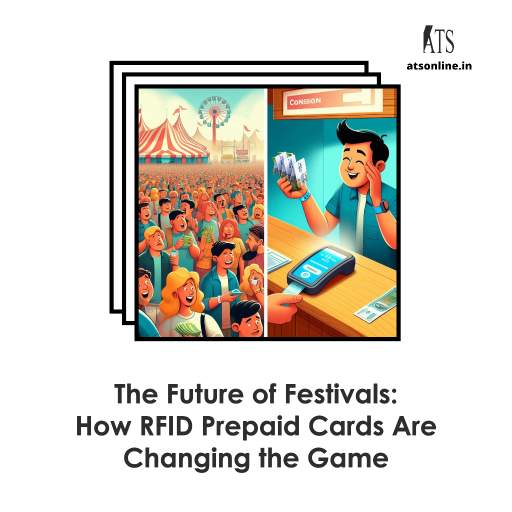
Large-scale events like music festivals and concerts often face challenges with managing massive crowds and ensuring smooth transactions at food and beverage vendors. RFID prepaid cards provide a seamless solution, allowing attendees to quickly and easily purchase refreshments and merchandise without the hassle of cash or traditional card payments. This minimizes wait times, reduces congestion, and enhances the overall festival experience.
Conferences and Trade Shows:
RFID prepaid cards can streamline various aspects of conferences and trade shows, from registration and access control to attendee tracking and lead generation. Attendees can use their RFID cards to access different sessions, networking events, and exhibition areas, while organizers can gather valuable data on attendee behavior and engagement.
Sporting Events:
At sporting events, RFID prepaid cards can be used for ticketing, merchandise purchases, and access to different areas of the stadium or arena. This eliminates the need for paper tickets and streamlines the entry process, while also providing a convenient and secure payment method for attendees.
Corporate Events:
Corporate events can leverage RFID prepaid cards to enhance branding opportunities and create a more engaging experience for attendees. The cards can be customized with company logos and branding elements, reinforcing brand identity and creating a cohesive event experience. They can also be used for access control, facilitating seamless entry to different areas of the event.
Examples of RFID Implementation in Different Events:
- Music Festival: Utilizes RFID wristbands for cashless payments and access control.
- Mobile World Congress: Employs RFID badges for attendee tracking and lead generation.
- The Super Bowl: Implements RFID technology in tickets for enhanced security and counterfeit prevention.
Benefits of RFID Prepaid Cards Across Different Event Types:
- Improved Efficiency: Streamlined transactions and reduced queues across all event types.
- Enhanced Security: Enhanced security and reduced risk of theft for both organizers and attendees.
- Data-Driven Insights: Valuable data collection and analysis for optimizing future events.
- Customizable Solutions: Adaptable to different event needs and branding requirements.
- Improved Attendee Experience: Seamless and convenient payment method for a more enjoyable event experience.
By understanding the diverse applications of RFID prepaid cards, event organizers can tailor their implementation strategies to meet the specific needs of their events and create a more efficient, secure, and enjoyable experience for everyone involved.
Implementing RFID Prepaid Cards at Your Event: A Step-by-Step Guide
Implementing RFID prepaid cards at your event requires careful planning and execution. Here's a step-by-step guide to help you navigate the process:
- Planning and Budgeting:
- Determine Your Needs: Identify the specific needs of your event and how RFID prepaid cards can address them. Consider factors like event size, expected attendance, and desired functionalities.
- Set a Budget: Develop a realistic budget for implementing RFID technology, considering costs for cards, readers, POS terminals, software, and staff training.
- Research Vendors: Research and compare different RFID system providers, considering their experience, reputation, and pricing.
- Choosing the Right RFID System Provider:
- Request Proposals: Request proposals from potential vendors outlining your event requirements and budget.
- Compare Features and Pricing: Carefully compare the features, pricing, and support offered by different vendors.
- Check References: Contact references to gather feedback on vendor performance and reliability.
- Card Design and Customization:
- Design Considerations: Decide on the design and branding elements for your RFID cards, ensuring they align with your event's overall theme and branding.
- Customization Options: Explore customization options such as card printing, color schemes, and logo placement.
- Durability and Functionality: Choose card materials that are durable and suitable for the event environment.
- Staff Training and Support:
- Comprehensive Training: Provide comprehensive training to your staff on how to use the RFID system, including card activation, transaction processing, and troubleshooting.
- On-site Support: Ensure adequate on-site support is available during the event to address any technical issues or attendee inquiries.
- Clear Communication: Establish clear communication channels for staff to report issues and receive prompt assistance.
- On-site Setup and Support:
- Pre-Event Testing: Conduct thorough pre-event testing of the RFID system to ensure seamless functionality.
- Strategic Placement of Readers: Strategically place RFID readers at key locations throughout the event venue for optimal accessibility.
- Real-Time Monitoring: Monitor the system performance in real-time to identify and address any potential issues promptly.
Key Considerations for Implementation:
- Scalability: Choose a system that can scale to accommodate future growth and changing event needs.
- Integration: Ensure the RFID system integrates seamlessly with your existing event management software and POS terminals.
- Data Security: Implement robust data security measures to protect attendee information and comply with relevant regulations.
By following this step-by-step guide, you can effectively plan and implement RFID prepaid cards at your event, ensuring a smooth and successful transition to a cashless environment.
Addressing Common Concerns About RFID Prepaid Cards
While RFID prepaid cards offer numerous benefits, there are also some common concerns that event organizers and attendees may have. Let's address these concerns and provide clarity on the safety and effectiveness of this technology:
Data Privacy and Security:
One of the primary concerns surrounding RFID technology is data privacy. Attendees may be worried about the security of their personal information and the potential for unauthorized access. However, reputable RFID system providers implement robust security measures to protect attendee data. These measures may include:
- Data Encryption: Encrypting data transmitted between RFID cards and readers to prevent unauthorized interception.
- Secure Data Storage: Storing attendee data on secure servers with limited access controls.
- Compliance with Regulations: Adhering to relevant data privacy regulations such as GDPR and CCPA.
It's essential to choose an RFID system provider that prioritizes data security and has a proven track record of protecting sensitive information.
Technical Glitches and Troubleshooting:
As with any technology, there's always the possibility of technical glitches or malfunctions. However, experienced RFID system providers have robust troubleshooting protocols in place to address any issues that may arise. These protocols may include:
- On-site Technical Support: Providing on-site technical support to quickly resolve any technical issues during the event.
- Remote Monitoring and Diagnostics: Monitoring the system remotely to identify and address potential issues proactively.
- Redundancy and Backup Systems: Implementing redundancy and backup systems to minimize the impact of any technical failures.
By choosing a reliable provider and ensuring adequate technical support, event organizers can minimize the risk of technical disruptions and ensure a smooth event experience.
Cost of Implementation:
The cost of implementing RFID prepaid cards can vary depending on the size and complexity of the event, as well as the specific features and functionalities required. However, it's important to consider the long-term cost savings and benefits that RFID technology can provide, such as:
- Reduced Staffing Costs: Automation of transactions can lead to reduced staffing requirements.
- Minimized Cash Handling Expenses: Elimination of cash handling reduces associated costs and risks.
- Increased Revenue Potential: Faster transactions and improved customer experience can lead to increased sales and revenue.
By conducting a thorough cost-benefit analysis, event organizers can determine the return on investment (ROI) of implementing RFID prepaid cards and make informed decisions about their event technology investments.
Addressing Concerns Through Transparency and Communication:
- Transparency with Attendees: Clearly communicate with attendees about how their data is being collected, used, and protected.
- Provide Opt-Out Options: Offer attendees the option to opt out of using RFID prepaid cards if they have privacy concerns.
- Address Concerns Proactively: Proactively address any concerns or questions that attendees may have about RFID technology.
By being transparent and proactive in addressing concerns, event organizers can build trust with attendees and ensure a positive experience for everyone involved.
By addressing these common concerns and implementing best practices for data security and technical support, event organizers can confidently embrace RFID prepaid card technology and unlock its full potential for creating seamless and enjoyable event experiences.
Future Trends in RFID Prepaid Card Technology for Events
The future of RFID prepaid card technology for events is bright, with exciting advancements on the horizon that promise to further enhance the attendee experience and provide even more valuable insights for event organizers. Here are some key trends to watch:
Personalized Experiences and Loyalty Programs:
RFID technology can be leveraged to create personalized experiences and loyalty programs for event attendees. By tracking attendee behavior and preferences, organizers can tailor offers, recommendations, and rewards to individual attendees. This personalized approach can significantly enhance attendee engagement and loyalty.
Think about this: A music festival could offer personalized recommendations for food vendors or merchandise based on an attendee's past purchases. Loyalty programs could reward repeat attendees with exclusive discounts or access to VIP areas.
Advanced Analytics and Reporting:
The data collected through RFID systems can be used to generate advanced analytics and reporting, providing event organizers with valuable insights into attendee behavior, spending patterns, and overall event performance. This data can be used to optimize future events, improve marketing strategies, and make more informed business decisions.
Here's how: Event organizers can analyze data to identify peak times for food and beverage sales, optimize staffing levels, and identify areas for improvement in event layout and logistics.
Other Emerging Trends:
- Biometric Integration: Integrating RFID technology with biometric data for enhanced security and personalized access control.
- Sustainability Initiatives: Utilizing reusable and recyclable RFID cards to minimize environmental impact.
- Gamification: Incorporating gamification elements into RFID systems to enhance attendee engagement and create interactive experiences.
The Future is Cashless and Connected:
The future of event management is undoubtedly cashless and connected, with RFID prepaid cards playing a central role in driving this transformation. By embracing these emerging trends and continuously innovating, event organizers can create truly unforgettable experiences for attendees while maximizing efficiency and gaining valuable data-driven insights.
Advance Technology Systems is at the forefront of these advancements, offering cutting-edge RFID solutions that empower event organizers to create seamless, secure, and engaging experiences for their attendees. Contact us today to learn more about how we can help you unlock the full potential of RFID technology for your next event.
FAQs
- Question: How do RFID cards work at events? (62 characters)
Answer: RFID cards use contactless technology. Tap your card on a reader to make quick and secure payments for food, drinks, and more.
- Question: Are RFID cards secure for events? (58 characters)
Answer: Yes, RFID cards offer enhanced security features, reducing the risk of theft and fraud compared to traditional cash transactions.
- Question: What are the benefits of RFID at events? (61 characters)
Answer: RFID improves event efficiency with faster transactions, shorter queues, enhanced security, and valuable data insights.
- Question: How much does RFID cost for events? (60 characters)
Answer: Costs vary based on event size and needs. Contact us for a personalized quote and discover the ROI of RFID solutions.
- Question: Where can I get RFID for my event? (59 characters)
Answer: Advance Technology Systems provides comprehensive RFID solutions tailored to your event needs. Contact us to learn more!
We hope you enjoyed reading our blog posts about prepaid card event billing solutions . If you want to learn more about how we can help you manage your business, please visit our website here. We are always happy to hear from you and answer any questions you may have.
You can reach us by phone at +91 9810078010 or by email at ats.fnb@gmail.com. Thank you for your interest in our services.
You can reach us by phone at +91 9810078010 or by email at ats.fnb@gmail.com. If you want to more information just visit: https://www.foodcourtbilling.com