How to Implement a Zero-Cash Campus Policy: A Step-by-Step Guide for K-12 School Administrators
October 13, 2026 in Blog
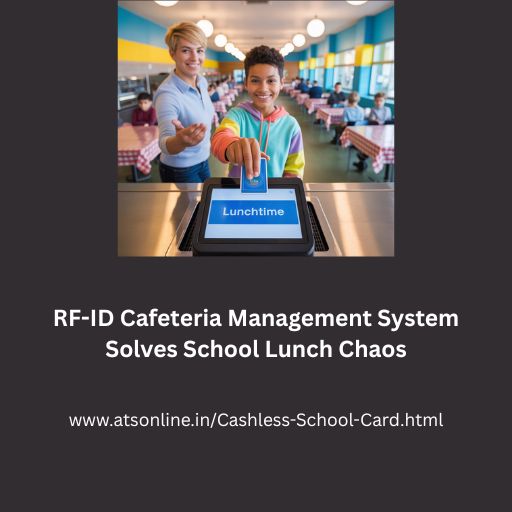
In an increasingly digital economy, school campuses remain one of the few places where children still carry paper currency and coins. Unfortunately, allowing cash on school grounds introduces chronic behavioral and operational challenges: lost lunch money, schoolyard bullying, theft from student lockers, and sluggish cafeteria queues. Forward-thinking school boards and principals are actively transitioning to institutional zero-cash campus policies. By adopting an enterprise prepaid card software for schools, administrators replace physical currency with secure RFID student smart cards, creating a safe, accountable learning environment.
Why Institutional Leadership Must Eliminate Cash
Physical cash creates operational vulnerabilities across multiple dimensions of campus life:
- Child Safety & Wellbeing: Eliminates lost money anxiety, petty theft, and lunch money extortion.
- Queue Velocity: Cash transactions require 30 to 45 seconds per student. Contactless RFID card taps take under 0.4 seconds, ensuring every child has time to finish lunch during short recess breaks.
- Parental Partnership: Parents gain complete oversight of daily spending limits, meal nutrition logs, and frictionless online wallet reloads.
- Administrative Auditability: Eliminates end-of-day register discrepancies and manual cash handling across school counters.
Step 1: Stakeholder Alignment & Policy Communication
The first phase of a successful zero-cash transition is clear communication. School leadership should distribute informative circulars to parents explaining the rationale behind the policy: child safety, faster cafeteria service, and improved dietary monitoring. Hosting a brief orientation during parent-teacher meetings or publishing an explanatory video tutorial builds broad community support.
Step 2: Smart Card Issuance & ERP Integration
Instead of introducing an additional card, schools embed encrypted RFID microchips into existing student ID cards. Using automated batch encoding, administrators link each card ID directly to the school's central student database, importing student names, admission numbers, grades, emergency contact details, and student photographs.
Step 3: Deploying POS Terminals & Local Server Infrastructure
Equip campus retail touchpoints—the main cafeteria, morning tuck shop, stationery bookstore, and uniform outlet—with rugged touch POS terminals and desktop RFID card readers. To ensure uninterrupted operation, install an offline-first local network server within the campus IT room. This guarantees checkout registers process card taps in under a second with zero downtime, even during total internet outages.
Step 4: Launching the Secure Parent Portal
Provide parents with secure credentials to an online recharge portal. Through this dashboard, guardians can:
- Top up student lunch wallets using UPI QR codes, debit/credit cards, or net banking.
- Establish maximum daily spending allowances (e.g. ₹100 or \$5 per day).
- Block specific menu categories, such as aerated sodas or deep-fried snacks.
- Review itemized, timestamped meal purchase histories.
Step 5: Phased Rollout & Cash Phase-Out Period
Implement a two-week transition window. During week one, allow both cash and card payments while actively demonstrating card tap speed at designated "Express RFID Lanes." By week two, transition 100% of cafeteria and store transactions to smart cards, fully cementing the zero-cash campus policy.
Implement a Zero-Cash Campus Policy
Advance Technology Systems (ATS) provides end-to-end guidance, RFID student smart cards, canteen billing POS systems, and parent portal applications for K-12 schools.
Conclusion
Adopting a zero-cash campus policy is a transformative upgrade for any K-12 educational institution. By replacing vulnerable physical currency with closed-loop RFID student smart cards, school administrators protect student welfare, eliminate cafeteria bottlenecks, empower parents, and establish a modern, secure campus culture.
FAQs: Implementing a Zero-Cash Campus Policy
- Q1: What is a zero-cash campus policy in K-12 schools?
- A: A zero-cash campus policy is an administrative institutional rule that eliminates physical paper money and coins from campus grounds. Students use encrypted prepaid smart cards for canteens, bookstores, uniform shops, and school events.
- Q2: Why are schools adopting zero-cash campus rules?
- A: Eliminating cash removes student theft, bullying, and lost pocket money. It also accelerates cafeteria checkouts, eliminates accounting discrepancies, and gives parents total visibility over spending.
- Q3: How do parents transition to online card recharges?
- A: Parents access a dedicated web portal or mobile app to load funds using UPI, net banking, or debit/credit cards. Funds reflect instantly on the student's RFID smart card.
- Q4: What happens if a student loses their smart school card?
- A: School administrators deactivate the lost card ID immediately in the central portal, securing the balance. A replacement card is issued and mapped to the student's account within minutes.
- Q5: How does a zero-cash policy protect student nutrition?
- A: Parents can set daily spending limits and restrict specific unhealthy menu categories (such as sugary drinks or candy) directly through the online portal.
- Q6: Does the zero-cash system require constant internet connectivity?
- A: No. The system operates on an offline-first local network server, processing transactions in under 0.4 seconds even during total campus broadband outages.
- Q7: How long does a school rollout typically take?
- A: A full campus rollout typically takes 1 to 2 weeks, which includes parent communication notices, card encoding, staff POS training, and initial portal testing.
- Q8: Can smart cards be used outside the canteen on campus?
- A: Yes. The same RFID student ID card functions across the campus tuck shop, school uniform store, library circulation desk, and annual carnival food stalls.
Zero-Cash Campus Policy Guide
Upgrade your school campus with our prepaid card software and experience complete cashless efficiency.