Food Court Payments: Go Cashless with Prepaid Cards
September 15, 2024 in Blog
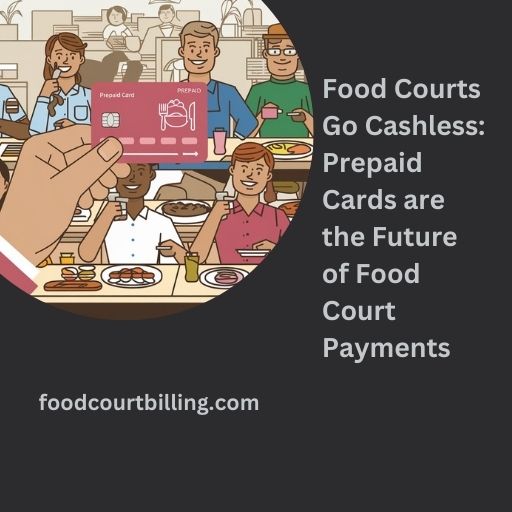
Boost efficiency, enhance security, and improve customer experience with prepaid card systems in your food court. Explore the advantages!
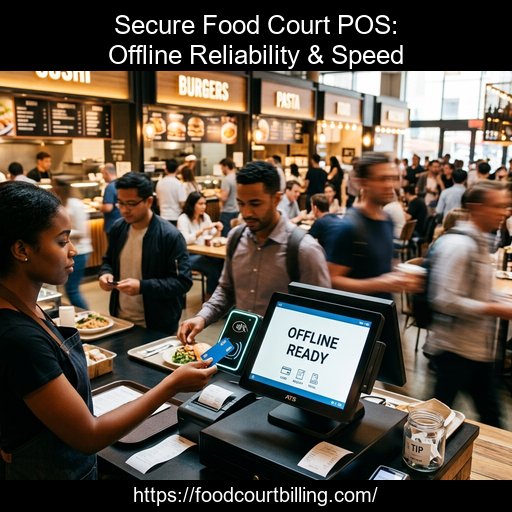
The world is rapidly moving towards a cashless society, and the food service industry is no exception. Cashless transactions are becoming increasingly popular, with consumers embracing the convenience and speed of digital payments. Food courts, once bustling with the clinking of coins and the rustle of notes, are now embracing the digital revolution, transforming into sleek and efficient hubs of cashless payments. In this evolution, prepaid cards are emerging as a leading payment solution, offering a unique blend of benefits for both food court operators and customers. This article explores the rise of cashless food courts and delves into why prepaid card payments are poised to become the future of food court transactions.
Advance Technology Systems, a leading provider of innovative payment solutions, is at the forefront of this transformation, empowering food courts to embrace the cashless future with cutting-edge technology and seamless integration.
The Rise of Cashless Food Courts: Why Food Courts are Embracing Digital Payments
The shift towards a cashless society is a global phenomenon, driven by the increasing adoption of smartphones, the rise of e-commerce, and the growing awareness of the benefits of digital payments. The food service industry, particularly food courts located within bustling shopping malls and entertainment complexes, is witnessing a significant surge in cashless transactions.
Several factors contribute to the growing popularity of cashless food courts:
- Increased Efficiency and Speed: Cashless payments, particularly those using prepaid cards, are significantly faster than traditional cash transactions. This translates to shorter queues, faster table turnover, and increased revenue for food court vendors.
- Improved Hygiene: Contactless payment methods like prepaid cards minimize physical contact, promoting better hygiene and reducing the risk of germ transmission in a high-traffic environment like a food court. This is particularly relevant in a post-pandemic world where consumers are increasingly conscious of health and safety.
- Enhanced Security: Cashless transactions reduce the risk of theft and fraud for both food court operators and customers. Prepaid cards, with their PIN protection and limited liability features, offer an added layer of security compared to cash or even credit/debit cards.
- Data Analytics and Customer Insights: Cashless payment systems provide valuable data on customer spending patterns, popular menu items, and peak hours. This data can be used to optimize operations, tailor marketing campaigns, and improve the overall customer experience.
- Customer Convenience: Consumers are increasingly embracing the convenience of digital payments. Prepaid cards offer a simple and hassle-free way to pay for food, eliminating the need to carry cash or fumble with credit cards.
Here's a closer look at the benefits of cashless food courts for both operators and customers:
Benefits for Food Court Operators: Streamlining Operations and Boosting Profits
- Faster Transactions & Reduced Queues: Cashless payments, particularly with prepaid cards, significantly reduce transaction times. This leads to shorter queues, faster customer turnover, and increased overall efficiency.
- Improved Efficiency & Reduced Labor Costs: Automating payment processes with cashless systems frees up staff to focus on other tasks, such as customer service and food preparation. This can lead to reduced labor costs and improved operational efficiency.
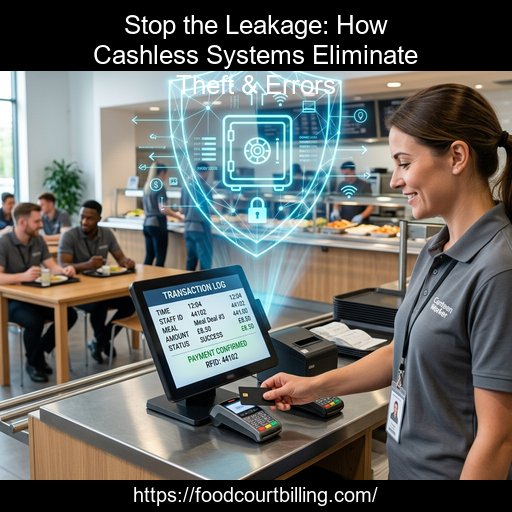
- Enhanced Security & Reduced Risk of Theft: Cashless systems minimize the handling of cash, reducing the risk of theft and employee pilferage. Digital transactions also offer better traceability and accountability, further enhancing security.
- Better Hygiene & Reduced Germ Transmission: Contactless payment methods like prepaid cards promote a more hygienic environment by minimizing physical contact between staff and customers. This is particularly important in food service settings where hygiene is paramount.
- Data Analytics & Customer Insights: Cashless systems provide valuable data on customer behavior, including spending patterns, popular menu items, and peak hours. This data can be used to optimize menu offerings, staffing levels, and marketing campaigns, ultimately leading to increased profitability.
Benefits for Food Court Customers: Convenience, Speed, and Rewards
- Convenience & Speed: Cashless payments offer a seamless and convenient experience for customers. Prepaid cards, in particular, are quick and easy to use, eliminating the need for cash or credit cards. This translates to faster checkout times and a more enjoyable dining experience.
- Enhanced Security: Customers can feel more secure using prepaid cards as they are less susceptible to fraud than traditional payment methods. Prepaid cards also limit liability in case of loss or theft.
- Loyalty Programs & Rewards: Food courts can leverage prepaid card systems to implement loyalty programs and reward frequent customers with discounts, exclusive offers, and personalized promotions. This helps build customer loyalty and encourage repeat business.
- Easier Budgeting & Spending Control: Prepaid cards can be loaded with a specific amount, allowing customers to budget their food court spending and avoid overspending. This is particularly beneficial for families or individuals looking to manage their expenses.
Prepaid Cards: The Ideal Payment Solution for Food Courts – A Deep Dive
Prepaid cards are emerging as the preferred payment method for cashless food courts due to their unique blend of convenience, security, and flexibility. These cards, also known as stored-value cards, are pre-loaded with a specific amount of money and can be used to make purchases at participating vendors within the food court.
Implementing a prepaid card system in a food court is relatively straightforward:
- Customers purchase a prepaid card: Cards can be purchased at designated kiosks or counters within the food court.
- Customers load the card with funds: Customers can load the card with a desired amount using cash, credit/debit cards, or other payment methods.
- Customers use the card to make purchases: The card can be used to pay for food and beverages at any participating vendor within the food court.
- Customers can reload the card as needed: Once the balance on the card is depleted, customers can easily reload it with additional funds.
There are two main types of prepaid card systems used in food courts:
Closed-Loop Prepaid Cards: Enhancing Brand Loyalty and Customer Engagement
Closed-loop prepaid cards are specific to a particular food court or shopping mall. These cards can only be used at participating vendors within that specific location. They are often branded with the mall or food court's logo and can be used as a form of gift card or loyalty card.
Advantages of Closed-Loop Prepaid Cards:
- Increased Brand Loyalty: Closed-loop cards encourage customers to return to the same food court or mall, fostering brand loyalty and repeat business.
- Control over Funds: Food court operators have more control over the funds associated with closed-loop cards, as they are not subject to the fees and regulations associated with open-loop card networks.
- Simplified Accounting: Transactions are easier to track and reconcile with closed-loop systems.
- Marketing Opportunities: Closed-loop cards can be used as a marketing tool to promote special offers, discounts, and loyalty programs.
Example: A shopping mall issues a prepaid gift card that can be used at any food court vendor within the mall. Customers who receive the gift card are more likely to visit the mall and spend money at the food court, increasing foot traffic and revenue for the mall and its vendors.
Open-Loop Prepaid Cards: Flexibility and Wider Acceptance for Customers
Open-loop prepaid cards are branded with major payment networks like Visa or Mastercard and can be used anywhere these networks are accepted. This provides customers with greater flexibility and convenience, as they can use the card not only within the food court but also at other retail locations and online.
Advantages of Open-Loop Prepaid Cards:
- Wider Acceptance: Customers can use the card at a wider range of merchants, both within and outside the food court.
- Convenience: Customers can use their existing prepaid cards, eliminating the need to purchase a separate card for the food court.
- Increased Spending: The wider acceptance of open-loop cards may encourage customers to spend more, as they can use the card for various purchases.
Example: A customer can use their existing Visa prepaid card to pay for their meal at the food court. They can then use the same card to purchase groceries at the supermarket or shop online, providing a seamless and convenient payment experience across various transactions.
Both closed-loop and open-loop prepaid card systems have their advantages and disadvantages. The choice of which system to implement depends on the specific needs and goals of the food court operator. Factors to consider include the size and location of the food court, the target audience, and the desired level of control over funds and customer data.
Advantages of Prepaid Cards over Other Cashless Payment Methods: A Comparative Analysis
While several cashless payment methods are available, including credit/debit cards, mobile wallets, and UPI, prepaid cards offer distinct advantages in a food court setting. Let's compare prepaid cards with other popular cashless options:
|
Feature |
Prepaid Cards |
Credit/Debit Cards |
Mobile Wallets |
UPI |
|
Transaction Speed |
Very Fast |
Fast |
Moderate |
Fast |
|
Security |
High (limited liability) |
Moderate (risk of fraud) |
Moderate (security concerns) |
High (secure platform) |
|
Convenience |
High (easy to use) |
Moderate (requires card and PIN) |
High (easy to use with smartphone) |
High (requires linked bank account) |
|
Acceptance |
Depends on card type (closed-loop or open-loop) |
Wide acceptance |
Increasing acceptance |
Wide acceptance in India |
|
Financial Inclusion |
High (accessible to unbanked customers) |
Moderate (requires bank account) |
Moderate (requires smartphone and internet) |
Moderate (requires bank account) |
|
Loyalty Programs |
Easy to integrate |
Possible but less common |
Possible but integration can be complex |
Limited loyalty program options |
|
Hygiene |
High (contactless) |
Moderate (can be contactless) |
High (contactless) |
High (contactless) |
Here's a closer look at the specific advantages of prepaid cards in a food court environment:
Speed and Efficiency: Faster Transactions, Shorter Queues
Prepaid card transactions are typically faster than other cashless methods, especially when compared to credit/debit card transactions that require PIN entry or signature verification. This speed translates to shorter queues, faster customer turnover, and a more efficient food court operation overall.
Example: Imagine a busy lunch hour at a food court. Customers using prepaid cards can quickly tap their card on a reader and complete their purchase in seconds. This eliminates the need for fumbling with cash or waiting for credit card processing, reducing wait times for everyone in line.
Enhanced Security: Protecting Customers and Businesses from Fraud
Prepaid cards offer enhanced security features compared to other payment methods. Firstly, they are not linked to a customer's bank account, minimizing the risk of unauthorized access to sensitive financial information in case of loss or theft. Secondly, many prepaid cards require PIN entry for transactions, adding an extra layer of security.
Statistics: According to a report, fraud related to prepaid cards is significantly lower than that associated with credit and debit cards. This highlights the enhanced security offered by prepaid card systems.
Financial Inclusion: Expanding Access to Cashless Payments for All
Prepaid cards are an inclusive payment option, accessible to individuals who may not have a bank account or credit card. This opens up the benefits of cashless payments to a wider customer base, including students, tourists, and individuals who prefer not to use traditional banking services.
Example: A student who doesn't have a credit card can easily purchase a prepaid card and load it with funds to use at the food court. This allows them to enjoy the convenience and benefits of cashless payments without the need for a bank account.
Improved Hygiene: Promoting a Clean and Safe Food Court Environment
Prepaid cards, especially those with contactless payment capabilities, promote a more hygienic environment by minimizing physical contact between staff and customers. This is particularly important in food service settings where hygiene is a top priority.
Quote: "Contactless payments are becoming increasingly popular as consumers prioritize hygiene and safety. Prepaid cards offer a convenient and contactless way to pay for food, reducing the risk of germ transmission."
Loyalty Programs & Rewards: Driving Customer Engagement and Repeat Business
Prepaid card systems can be seamlessly integrated with loyalty programs, allowing food courts to reward frequent customers with discounts, exclusive offers, and personalized promotions. This fosters customer loyalty, encourages repeat business, and enhances the overall dining experience.
Example: A food court can offer a 10% discount to customers who use their prepaid card for purchases. This incentivizes customers to use the prepaid card regularly and builds brand loyalty.
Implementing a Cashless Prepaid Card System in Your Food Court: A Step-by-Step Guide
Implementing a prepaid card system in your food court can be a seamless and rewarding process if done correctly. Here's a step-by-step guide to help you navigate the implementation:
Choosing the Right Prepaid Card Provider: Key Factors to Consider
The first step is to select a reputable and reliable prepaid card provider. Several factors should be considered when making this decision:
- Technology: Evaluate the provider's technology platform, including the card readers, POS integration capabilities, and back-end systems. Ensure the technology is secure, reliable, and scalable to meet your food court's needs.
- Security Features: Prioritize providers that offer robust security features, such as encryption, fraud detection, and data protection measures. This is crucial to protect both your business and your customers' financial information.
- Transaction Fees: Compare the transaction fees charged by different providers. Opt for a provider that offers competitive and transparent pricing.
- Customer Support: Choose a provider that offers excellent customer support to address any technical issues or queries promptly.
- Integration Capabilities: Ensure the provider's system can seamlessly integrate with your existing POS system to avoid disruptions and streamline operations.
- Customization Options: Consider providers that offer customization options, such as branded cards and personalized loyalty programs, to enhance your brand identity and customer engagement.
Integrating with Existing POS Systems: Ensuring a Seamless Transition
Once you've chosen a prepaid card provider, the next step is to integrate the system with your existing POS infrastructure. This involves configuring the POS terminals to accept prepaid card payments and ensuring data synchronization between the prepaid card system and your back-end systems.
- Collaboration with the Provider: Work closely with your chosen provider to ensure a smooth integration process. They should provide technical support and guidance throughout the implementation.
- Testing and Training: Thoroughly test the integrated system before launching it to ensure everything is working as expected. Train your staff on how to use the new system and handle prepaid card transactions.
- Pilot Program: Consider launching a pilot program with a limited number of vendors to identify and address any potential issues before a full-scale rollout.
Training Staff and Educating Customers: A Smooth Rollout for Everyone
Proper training for your staff and clear communication with your customers are essential for a successful prepaid card system rollout.
- Staff Training: Conduct comprehensive training sessions for your staff on how to use the new system, process prepaid card transactions, and handle customer inquiries related to the prepaid cards.
- Customer Education: Inform your customers about the new prepaid card system through signage, announcements, and social media campaigns. Provide clear instructions on how to purchase, load, and use the cards.
- Customer Support: Offer dedicated customer support channels to address any questions or issues customers may have regarding the prepaid card system.
Marketing and Promoting the Prepaid Card System: Driving Adoption and Usage
To maximize the adoption and usage of your prepaid card system, implement effective marketing and promotional strategies.
- Promotional Offers: Offer incentives to encourage customers to use prepaid cards, such as discounts, bonus points, or exclusive deals for prepaid card users.
- Loyalty Programs: Integrate the prepaid card system with your loyalty program to reward frequent users with points, discounts, and personalized offers.
- Awareness Campaigns: Create awareness about the benefits of using prepaid cards through signage, flyers, social media posts, and announcements within the food court.
- Partnerships: Collaborate with other businesses within the mall or entertainment complex to promote the prepaid card system and offer joint promotions.
By following these steps and focusing on providing a seamless and user-friendly experience, you can successfully implement a prepaid card system in your food court and reap the benefits of a cashless payment ecosystem.
The Future of Food Court Payments is Cashless and Prepaid: Embracing Innovation
The trend towards cashless payments in food courts is only going to accelerate in the coming years. Prepaid cards, with their unique advantages, are poised to play a central role in shaping the future of food court transactions. As technology continues to evolve, we can expect to see further innovation in the cashless food court space, including:
- Mobile Ordering and Integration with Delivery Platforms: Food courts are increasingly integrating mobile ordering and delivery platforms into their operations. Customers will be able to order and pay for their food through their smartphones, either for dine-in or delivery, using prepaid cards as a seamless payment option.
- Data Analytics and Personalized Offers: Cashless payment systems generate valuable data on customer behavior. Food courts can leverage this data to personalize offers, promotions, and loyalty programs, creating a more engaging and rewarding experience for customers.
- Integration with Other Technologies: We can expect to see greater integration between prepaid card systems and other technologies, such as facial recognition for payments, automated kiosks for ordering and payment, and AI-powered chatbots for customer service.
- Enhanced Security Features: As technology advances, we can expect to see even more robust security features integrated into prepaid card systems, further minimizing the risk of fraud and data breaches.
Advance Technology Systems is committed to driving innovation in the food court payment space. We offer cutting-edge prepaid card solutions that are tailored to the specific needs of food court operators and customers. Our solutions are designed to enhance efficiency, improve security, and create a seamless and rewarding dining experience.
Conclusion:
The future of food court payments is undoubtedly cashless, and prepaid cards are at the forefront of this transformation. By embracing prepaid card systems, food court operators can streamline their operations, enhance security, improve hygiene, and create a more engaging experience for their customers. Prepaid cards offer a win-win solution for both businesses and consumers, paving the way for a more efficient, convenient, and secure future for food court payments.
Call to Action:
Ready to transform your food court into a cashless haven? Learn more about Advance Technology Systems' innovative prepaid card solutions for food courts by visiting our website or contacting our team today. We offer free consultations and demos to help you find the perfect solution for your business.
FAQs for "Food Courts Go Cashless: Prepaid Cards are the Future of Food Court Payments"
FAQ 1:
Q: How do prepaid cards work in food courts?
A: Customers buy and load prepaid cards with funds. They then use the card to pay at vendors within the food court, just like a debit card.
FAQ 2:
Q: Are prepaid cards safer than cash in food courts?
A: Yes, prepaid cards offer enhanced security. They're not linked to your bank account, reducing fraud risk if lost or stolen.
FAQ 3:
Q: Can I use my existing prepaid card at any food court?
A: It depends. Open-loop cards (Visa/Mastercard) work at most locations, while closed-loop cards are specific to a food court or mall.
FAQ 4:
Q: What are the benefits of cashless food courts for customers?
A: Faster transactions, enhanced security, loyalty program rewards, better hygiene, and easier budgeting are key benefits.
FAQ 5:
Q: How do food courts benefit from using prepaid card systems?
A: Increased efficiency, reduced labor costs, enhanced security, improved hygiene, and valuable customer data insights.
If you want to more information, You can reach us by phone at +91 9810078010 or by email at ats.fnb@gmail.com. Or just visit: https://www.foodcourtbilling.com