Teaching Financial Literacy in Schools: How Student Prepaid Meal Cards Cultivate Smart Budgeting Habits
October 13, 2026 in Blog
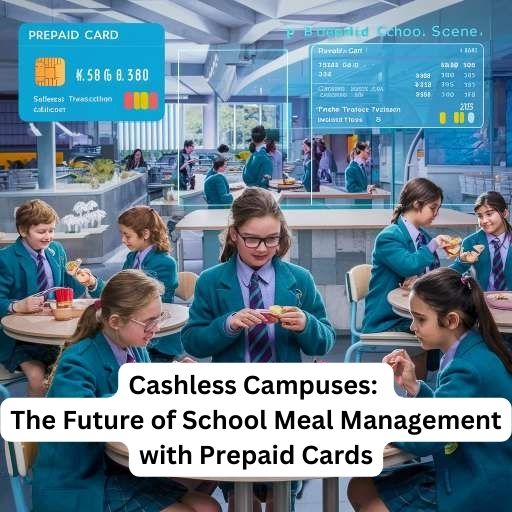
Financial literacy is widely recognized as one of the most critical life skills, yet traditional school curricula rarely provide children with hands-on practice managing real-world money. For most students, their very first commercial transaction occurs at the school cafeteria counter. When children handle loose cash, they focus purely on what coins are in their palm rather than conceptualizing longer-term budgeting, trade-offs, and savings. Implementing an educational cashless school card system bridges textbook economics and daily life, providing young learners with a secure, controlled digital sandbox to master budgeting discipline.
Why Theoretical Financial Literacy Often Fails in K-12
Worksheet exercises and classroom lectures about interest rates or banking terminology often fail to resonate with young minds. Children learn best through experiential, daily reinforcement. Without real responsibility, young adults enter college and the workforce unprepared for digital banking apps, debit card spending, and credit management.
How Closed-Loop Prepaid Cards Build Real Budgeting Habits
A student prepaid dining card introduces practical economic concepts in an age-appropriate, debt-free format:
- Understanding Finite Resources: Students learn that digital card balances do not magically replenish. When a weekly allowance of ₹500 or \$25 is loaded, spending heavily on Monday means adjusting choices on Thursday and Friday.
- Evaluating Opportunity Costs: Deciding whether to purchase an expensive bottled fruit smoothie or a wholesome hot lunch teaches children to weigh immediate impulse desires against practical nutritional needs.
- Tracking Digital Statements: Reviewing balance deductions displayed on POS screens after each tap demystifies digital ledger accounting and builds numeracy confidence.
Parent-Child Collaboration Through the Online Portal
Rather than an opaque cash allowance where money simply disappears, the parent web portal acts as a collaborative financial teaching dashboard. Parents and children can sit together over the weekend to review timestamped transaction logs, analyze weekly expenditure trends, and discuss healthy, cost-effective meal planning for the upcoming school week.
Safety Wheels for Digital Money: Zero Debt or Overdrafts
Unlike commercial bank credit or debit cards that carry risks of overdraft fees, debt traps, or phishing scams, a campus RFID smart card operates within a closed-loop walled garden. Cards cannot be used outside school boundaries, and transactions decline automatically if funds are insufficient, providing essential safety guardrails as children develop their financial footing.
Incentivizing Healthy Choices & Savings Discipline
Schools can configure positive reinforcement mechanisms within the canteen software. Rewarding students with digital achievement badges, meal discounts, or modest cashbacks when they consistently choose fresh fruit over sodas or maintain disciplined weekly savings balances reinforces mindful consumption habits that last a lifetime.
Promote Student Financial Literacy
Advance Technology Systems (ATS) provides educational cashless school card software, parent-student budgeting portals, RFID smart cards, and cafeteria POS systems.
Conclusion
School canteens are more than just fueling stations—they are vibrant educational laboratories for real-world life skills. By equipping students with closed-loop prepaid smart cards, progressive educators transform the daily lunch line into an empowering lesson in budgeting, personal responsibility, and financial literacy.
FAQs: Teaching Financial Literacy with School Meal Cards
- Q1: How do student prepaid meal cards teach financial literacy?
- A: Prepaid smart cards provide children with a controlled, safe environment to manage finite meal allowances, plan daily dining budgets, check digital balances, and understand the consequences of overspending without risking debt.
- Q2: At what age should students begin using cashless campus cards?
- A: Children as young as 6 to 7 years old (Grade 1 onwards) can successfully use tap-and-go cards with photo verification, learning essential concepts of price, value, and personal account balances.
- Q3: How do spending caps help students practice budgeting?
- A: When parents configure a maximum daily limit (e.g. ₹100 or \$5), students must make deliberate meal choices, deciding whether to purchase a hot lunch today or save part of their allowance for an end-of-week treat.
- Q4: Can students check their remaining card balance at school?
- A: Yes. Every time the student taps their card at a counter POS or balance-check kiosk, the screen displays their updated remaining balance, reinforcing financial awareness.
- Q5: How does digital dining prepare students for modern cashless society?
- A: As the global economy transitions away from physical currency, managing a closed-loop digital wallet teaches students digital transaction etiquette, PIN/RFID security, and personal financial responsibility.
- Q6: Can parents review spending reports together with their children?
- A: Yes. Parents can log into the family portal alongside their children to review monthly purchase charts, discussing nutritional value and cost-effectiveness as teachable life moments.
- Q7: Does the system teach savings incentives?
- A: Yes. Schools can configure reward points or cashback incentives for students who maintain consistent savings balances or choose healthier nutritional menu items.
- Q8: Is the prepaid student card system safe from debt or overdrafts?
- A: Yes. It is a strictly prepaid closed-loop environment. Students cannot spend more than their preloaded allowance, completely preventing overdraft fees or accumulated debt.
Student Financial Literacy with Smart Cards
Empower students with practical money management skills using our prepaid school card software.