How College Canteen Contractors Can Maximize Profitability with Closed-Loop RFID Prepaid Cards
August 9, 2026 in Blog
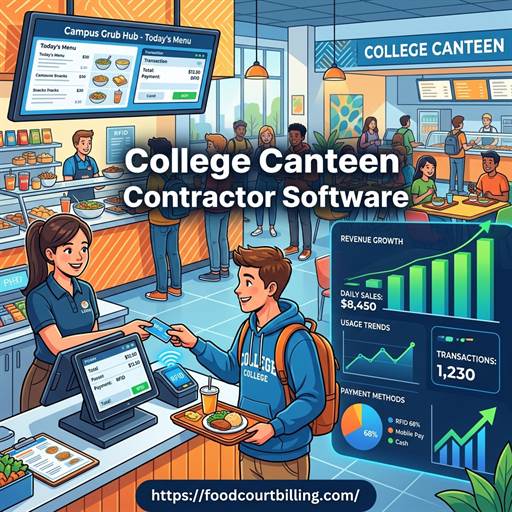
Managing food service operations across a university campus or college hostel mess involves serving thousands of students daily. College food contractors face razor-thin profit margins, high ingredient costs, fluctuating student turnout, and widespread revenue leakage from cash transactions and unverified meal claims. To operate a profitable food service contract, catering companies are upgrading to specialized college canteen contractor software integrated with closed-loop RFID smart cards.
1. Upfront Working Capital via Prepaid Smart Cards
One of the biggest financial hurdles for catering contractors is cash flow management. In traditional setups, contractors pay for bulk raw ingredients weeks before receiving meal payouts. Closed-loop RFID cards reverse this cash flow burden. Students or their parents load funds onto smart cards at the beginning of the term or month. This provides contractors with immediate upfront working capital to procure ingredients at wholesale prices, eliminating interest expenses and credit dependencies.
2. Dual Support for Hostel Mess Plans and A-la-Carte Canteens
University campuses typically feature two dining models: fixed-subscription hostel mess halls (where students get 3 meals a day) and commercial a-la-carte food courts (where students purchase snacks, beverages, and meals on demand). Advanced canteen software manages both models on the exact same RFID card. When a student enters the hostel mess, a single card tap validates their monthly meal quota. When they visit the campus coffee shop or food court, the register deducts pay-per-item balances from their prepaid wallet.
3. Stopping Unverified Meal Access & Photo Audits
Hostel mess halls frequently suffer from non-resident students sneaking in or students borrowing friends' meal passes. Over a semester, unverified dining can cost contractors lakhs of rupees in lost revenue. Tapping an RFID card on the mess entrance reader displays the student's photo, hostel room number, and active subscription status on the monitor. This visual verification prevents unauthorized access and ensures only paying residents enter the mess hall.
4. Automated Ingredient Deduction & Waste Control
Kitchen profitability depends on precise inventory control. As meals are checked out at POS terminals or mess gates, the backend software automatically deducts raw ingredients (rice, vegetables, dairy, poultry) from central kitchen inventory logs. Contractors can monitor stock levels in real time, prevent staff inventory theft, identify popular menu items, and optimize batch cooking to minimize food spoilage.
5. Offline Uptime for Compressed Campus Meal Hours
University cafeterias experience intense crowd surges during class breaks. If a cloud-based POS register loses internet connectivity, billing counters freeze, leading to chaotic queues and missed meal slots. An offline-first local network server architecture ensures POS registers check balances and log meals in less than a second locally, ensuring uninterrupted dining operations even during campus network outages.
Boost College Catering Profitability
Advance Technology Systems (ATS) provides college canteen contractor software, hostel mess subscription billing, closed-loop RFID cards, and offline local server POS systems.
Conclusion
Closed-loop RFID card systems provide college canteen contractors with the tools needed to maximize profitability. By securing upfront working capital, preventing unauthorized mess access, speeding up meal checkouts, and tracking kitchen inventory, contractors can deliver high-quality campus dining while protecting their bottom line.
FAQs: College Canteen Contractor Software
- Q1: Why is college canteen contractor software important for campus caterers?
- A: College canteen contractor software centralizes meal sales, automates hostel mess billing, eliminates cash leakage by staff, and accelerates student checkouts across multiple campus dining halls.
- Q2: What is a closed-loop RFID campus card system?
- A: A closed-loop system uses smart cards or wristbands that store funds exclusive to the college campus. Balances cannot be spent outside the institution, securing revenue inside the catering ecosystem.
- Q3: How does closed-loop billing improve caterer cash flow?
- A: Prepaid smart cards collect funds upfront when students or parents load money onto their accounts, giving catering contractors immediate working capital before meals are served.
- Q4: Can the software manage both subscription hostel mess plans and pay-per-meal canteens?
- A: Yes. The system supports fixed monthly hostel mess meal plans as well as pay-per-item food court sales on the exact same RFID card.
- Q5: How does the system prevent unauthorized non-resident students from eating at hostel messes?
- A: Tapping the card on the mess gate or register displays the student's photo, hostel status, and active meal quota on the monitor, preventing unauthorized entry.
- Q6: Does the software provide real-time sales reports for contractor audits?
- A: Yes. Contractors can access real-time dashboards showing hourly sales volume, popular dishes, inventory usage, and cashier shift reconciliations.
- Q7: Can university students top up card balances online via UPI?
- A: Yes. Students can log into a secure student web portal or mobile app to recharge their RFID card balance using UPI, debit/credit cards, or net banking.
- Q8: How does offline local server architecture protect high-volume campus canteens?
- A: The local server network processes card taps in under a second on campus, keeping billing counters active during campus internet or cloud service outages.
College Canteen Contractor Software
Upgrade your campus catering contract with our prepaid card software and experience seamless operations.