Implementing RFID Meal Cards for Contract Labour
June 5, 2026 in Blog
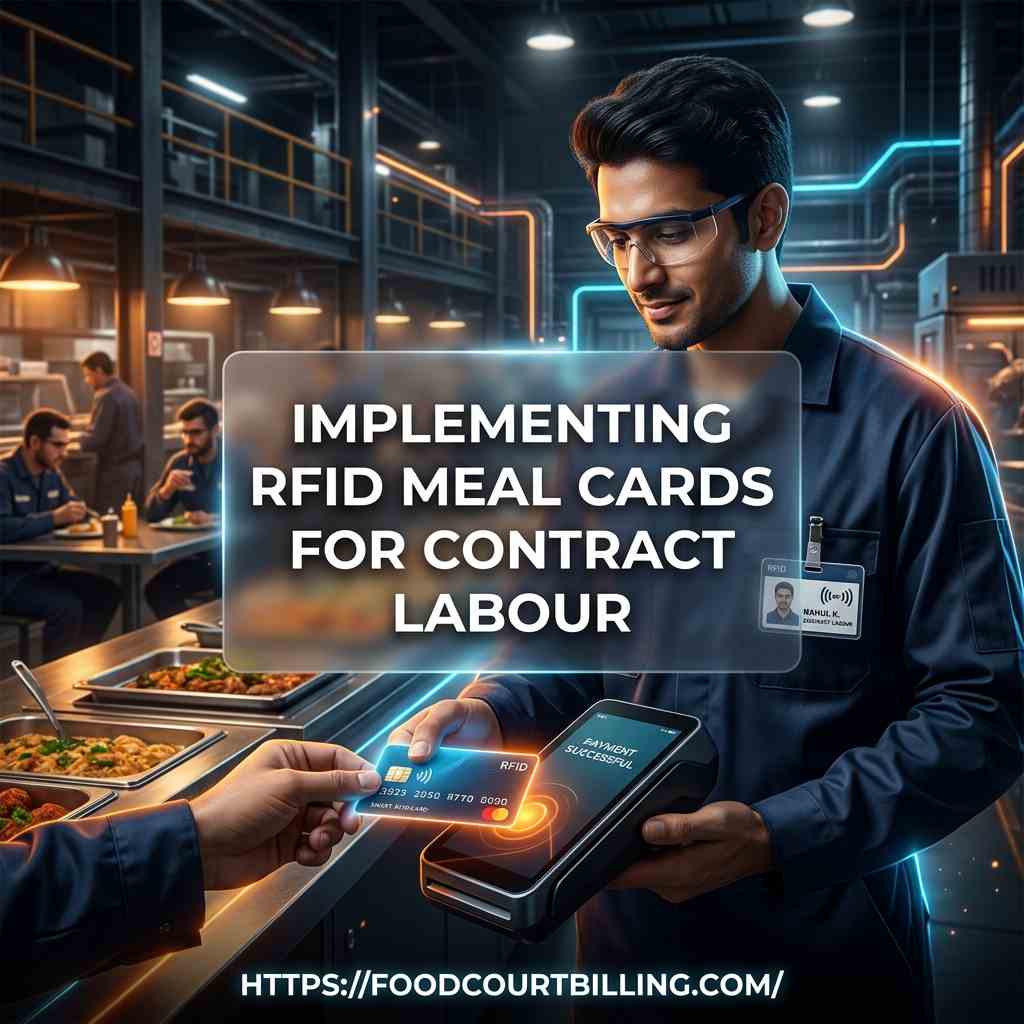
Transitioning from legacy meal ticketing systems to contactless RFID (Radio Frequency Identification) cards is a highly effective operational move for factories and corporate spaces. However, executing a successful implementation requires planning. Explore our comprehensive implementation guide.
For factories, warehouses, and corporate facilities employing third-party contractors, managing canteens manually is a major source of financial leakage and operational drag. Implementing an RFID-based cashless card system eliminates manual token tracking and automates billing splits. However, implementing this system requires a structured roadmap to ensure complete alignment between contracting agencies, HR, finance, and canteen cashiers. Let's explore the key phases of a successful RFID meal card implementation.
Phase 1: Database Setup and Worker Enrollment
The foundation of a cashless canteen system is a centralized database. Before distributing physical cards:
- Agency Registration: Register all third-party contracting agencies in the canteen software. This allows the system to group workers by employer for billing.
- Worker Registration: Import worker names, identification numbers, and contracting agency details.
- Access Rules: Set specific limits, such as shifting times, meal types (breakfast, lunch, tea), and daily meal quantity caps.
Phase 2: Card Programming and Distribution
Once employee details are loaded, programming the RFID cards can begin:
- Card Association: An administrator uses a desktop card writer to link the unique serial number of each physical RFID card to a worker's database profile.
- Branded Cards: We recommend printing company logos, worker photos, and barcodes on the cards to serve as dual-purpose ID badges.
- Handling Short-Term Workers: For temporary day laborers, issue generic "Contractor Cards" at security gates. These cards are linked to transient database profiles, returned daily, and deactivated upon exit.
Phase 3: POS Hardware and Local Server Rollout
canteen environments require durable billing terminals. The hardware setup includes:
- Durable Card Readers: Install USB or serial readers at all payment stations. Ensure they are placed in easily accessible areas for workers to tap.
- Offline-First Server: Deploy a local network server within the premises. This guarantees that payments are validated in less than a second and prevents lines from stopping during internet blackouts.
- POS Terminal Setup: Install the canteen billing interface on computers or POS touchscreens for cashiers.
Phase 4: Cashier Training and Trial Run
Before launching fully cashless operations, conduct cashier training and a 2-day trial run. Canteen operators should practice selecting menu items, voiding transactions, and tapping cards. Running a hybrid system for a few days allows workers to get used to the tap-and-go model and ensures the hardware runs smoothly under real peak-hour pressure.
Roll Out a Flawless Cashless System
Advance Technology Systems (ATS) provides comprehensive setup, durable hardware, and offline RFID software customized for factory canteens.
Conclusion
Implementing RFID meal cards is a highly rewarding project that secures company finances and improves employee satisfaction. By following a structured implementation roadmap—database prep, card association, local hardware setup, and cashier training—you can ensure a seamless transition to a modern cashless canteen.
FAQs: RFID Meal Card Rollout
- Q1: What are the first steps in implementing RFID meal cards?
- A: The first step is enrolling the contracting agencies and registering worker details in the database. Workers are then issued programmed RFID cards associated with their specific agency profiles.
- Q2: How do we handle card distribution for short-term workers?
- A: Temporary cards can be issued at security gates or HR desks. Once their contract ends, the card is returned, deactivated in the database, and kept for reuse by future contractors.
- Q3: Can we configure different meal allowances for different groups?
- A: Yes, the administration panel allows you to define distinct meal rules, schedules, and subsidy splits for different groups of employees and contract labor.
- Q4: Is technical training required for canteen staff?
- A: Minimal training is needed. The billing interface is highly intuitive, requiring cashiers to only select food items on screen; the card transaction completes automatically upon tapping.
Cashless Card Payment System for Food Court and Canteen
Upgrade your establishment with our Prepaid Card Software and take your business to the next level.
You Might Also Like
Explore other popular articles from our blog to learn more about modern cashless systems.