School Cafeteria Allergy Management: How RFID Meal Cards Prevent Food Contamination and Protect Students
October 13, 2026 in Blog
Childhood food allergies are on the rise worldwide. From life-threatening anaphylactic reactions triggered by peanuts and tree nuts to severe intolerances caused by gluten, dairy, or shellfish, school dining halls represent a critical safety zone. During chaotic, compressed lunch periods, asking busy kitchen staff to manually remember which of the 1,000 enrolled students cannot eat dairy or nuts is an impossible and dangerous standard. Deploying an intelligent school cashless payment solution equipped with automated allergy management safeguards students' health at the exact moment of meal checkout.
The Reality of Food Allergies in School Dining Halls
Younger children in primary and middle school often lack the maturity to read complex ingredient labels or remember to inquire about cross-contamination. Under peer pressure, children often trade food or impulsively order baked treats containing hidden nut flours or dairy additives. A single accidental ingestion can result in emergency medical intervention, campus panic, and institutional liability.
How Automated POS Allergy Alerts Work
An intelligent RFID school canteen management system embeds dietary safety protocols into the transaction workflow:
- Medical Dietary Profile Creation: School nurses or parents log certified medical allergies (e.g. peanuts, soy, gluten, seafood) into the student's digital account during enrollment or via the online parent portal.
- Recipe & Ingredient Tagging: Cafeteria managers tag all menu items with comprehensive allergen identifiers in the central recipe database.
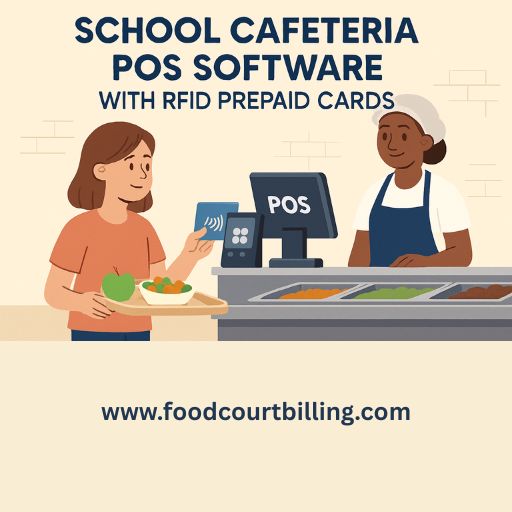
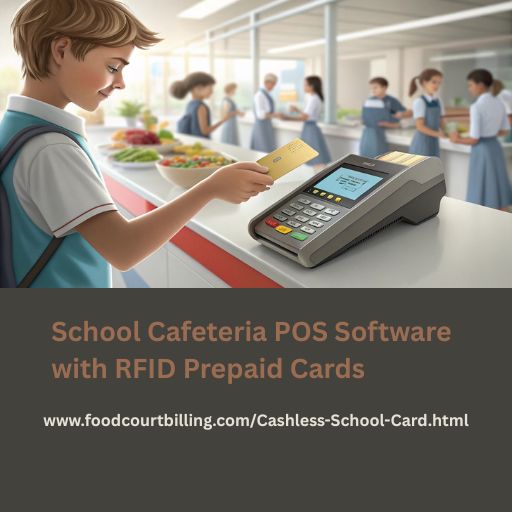
- Instant Point-of-Sale Cross-Check: When the student taps their RFID ID card at the lunch counter, the software instantly compares the student's allergy profile against the items in their tray.
- Visual & Audible Lockout: If an allergen match is detected, the POS screen flashes a bright red warning banner and sounds an audible alert, locking the cashier from completing the sale.
Photo-Verification: Stopping Student Card Trading
A common risk in school cafeterias is students trading cards to bypass dietary restrictions set by their parents. Advanced canteen billing terminals display the student's high-resolution color portrait, name, and class section immediately upon card tap. Cashiers verify that the child holding the card matches the screen profile, preventing card sharing and unauthorized purchases.
Full Ingredient Transparency for Campus Nurses
In the event a student exhibits mild symptoms or discomfort during recess, campus infirmary staff require immediate access to consumption history. The software logs timestamped transaction receipts detailing every item purchased, exact preparation ingredients, and serving times. Nurses can quickly ascertain if a student consumed milk, eggs, or wheat, accelerating accurate medical care.
Accommodating Lifestyle & Religious Dietary Choices
Beyond clinical allergies, schools serve multicultural student bodies with diverse dietary guidelines. The same system allows parents to configure lifestyle and religious filters, including strictly vegetarian, vegan, halal, kosher, or Jain meal profiles, preventing accidental dietary violations.
Offline Local Server: Zero Safety Compromise
Dietary safety must never fail because the school internet went down. Operating on an offline-first local network server, all medical profiles and allergen verification algorithms execute on-premise in under 0.4 seconds, guaranteeing that student allergy checks remain 100% active at all times.
Deploy Cafeteria Allergy Management
Advance Technology Systems (ATS) provides school canteen management software with automated allergen alerts, RFID smart cards, nurse medical consoles, and offline POS terminals.
Conclusion
Protecting children from food allergens in school dining halls requires robust, automated technological safeguards. By equipping cafeteria registers with RFID smart cards and automated allergen cross-referencing, school administrations eliminate human error, provide parents with total peace of mind, and create a truly inclusive, safe dining environment.
FAQs: School Cafeteria Allergy Management Systems
- Q1: How does an RFID meal card manage student food allergies?
- A: When a student taps their RFID card, the POS terminal cross-references the student's medical allergy profile against the ingredients of the selected menu item. If a restricted allergen (e.g. peanuts, dairy, gluten) is detected, the register sounds an alarm and blocks the transaction.
- Q2: Can parents update allergy details remotely?
- A: Yes. Parents and campus medical staff can log into the secure school portal to update allergy profiles, medical dietary restrictions, and emergency contact numbers in real time.
- Q3: What visual alerts appear on the cashier screen during an allergy conflict?
- A: The POS monitor flashes a prominent red warning window showing the specific restricted allergen (e.g. 'ALLERGY WARNING: PEANUTS') and disables item confirmation, preventing accidental food handover.
- Q4: Does the system maintain ingredient bibles for all cafeteria recipes?
- A: Yes. School kitchen managers tag all raw ingredients, allergens, and preparation notes to each recipe in the software database, ensuring automated cross-referencing at checkout.
- Q5: Can school nurses access student cafeteria purchase records?
- A: Yes. Campus medical staff have administrative access to review timestamped cafeteria meal receipts and ingredient logs in the event of an allergic reaction.
- Q6: What if a student borrows another student's card to buy restricted food?
- A: The POS screen displays the student's color photograph upon card tap, allowing cashiers to verify the card owner's identity instantly and prevent card trading.
- Q7: Does the allergy warning system work without active internet?
- A: Yes. All student medical profiles and recipe allergen records are stored locally on the on-premise local server, ensuring instantaneous safety checks with 100% offline uptime.
- Q8: Can religious or lifestyle dietary rules be configured?
- A: Yes. In addition to medical allergies, the system supports vegetarian, vegan, halal, kosher, and gluten-free dietary restrictions.
School Cafeteria Allergy Safeguards
Protect students from life-threatening allergens with our smart RFID prepaid card software and automated POS alerts.